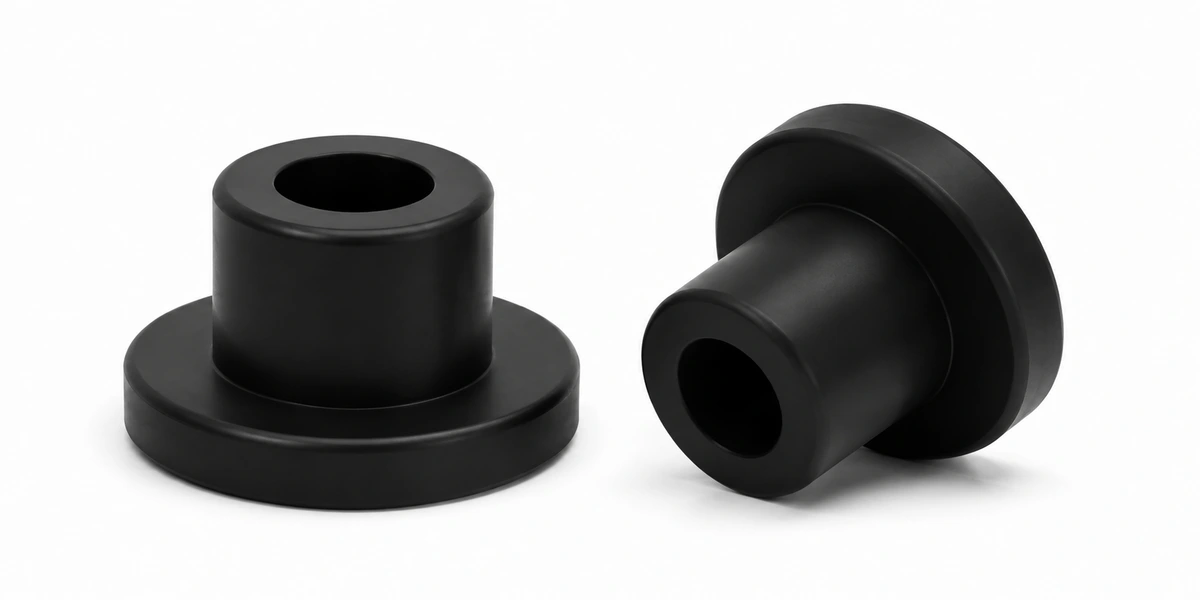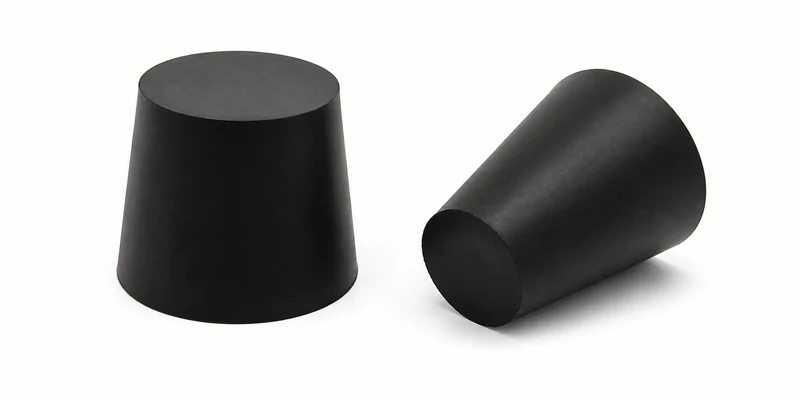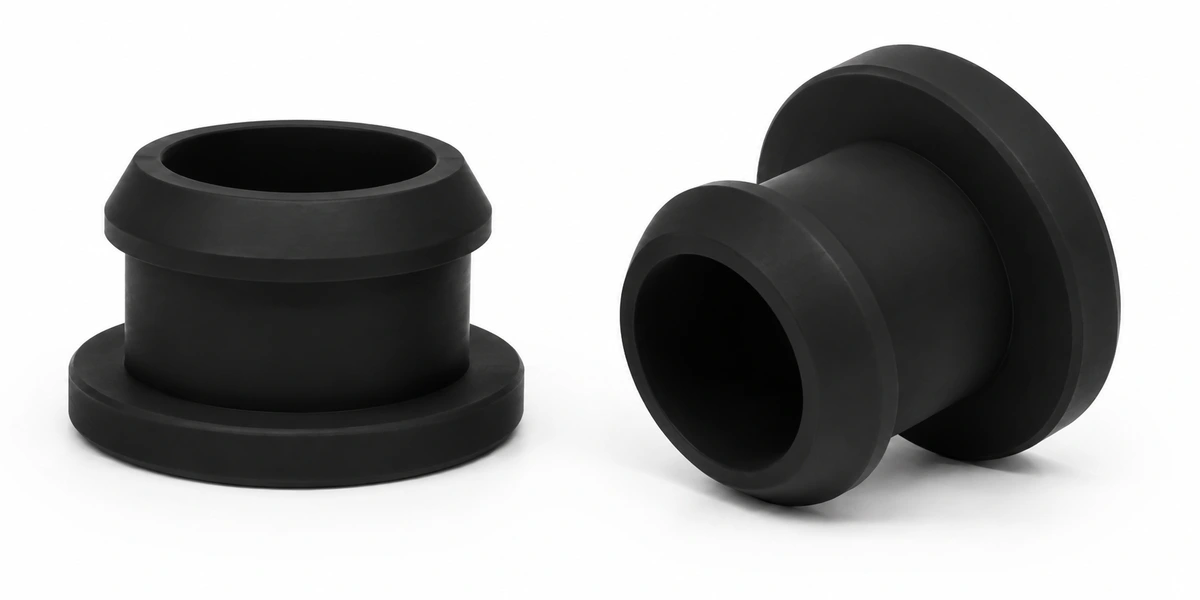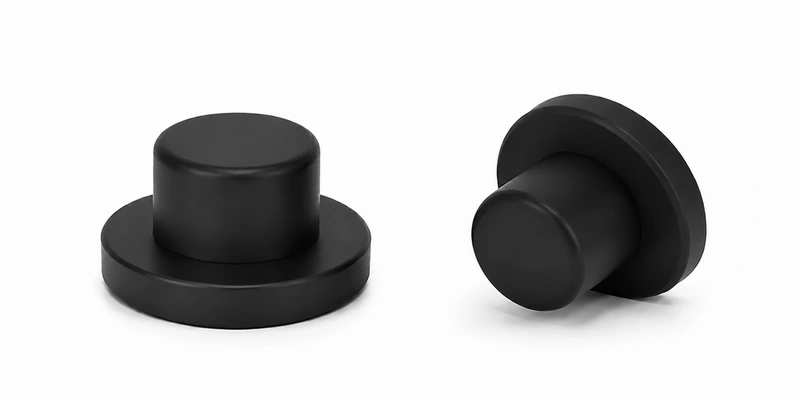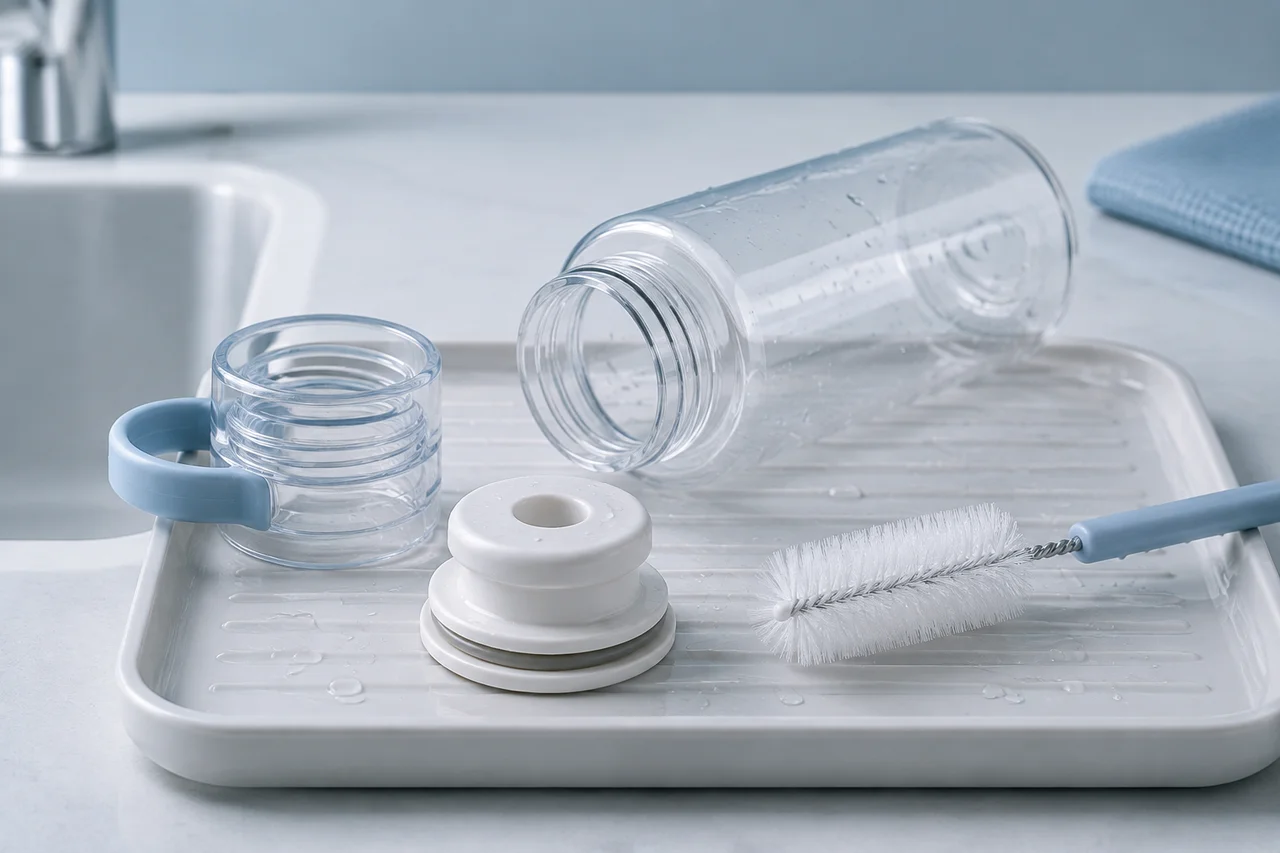
An odor can remain even when the visible surface looks clean. Drink residue often collects beneath the stopper, around grooves and at joints that a quick rinse does not reach.
Remove only the parts the bottle manufacturer identifies as removable. Wash with warm water and a suitable mild detergent, using a soft brush to reach recesses. Rinse thoroughly so detergent does not remain inside channels or around sealing lips. Follow the specified method for components that cannot be disassembled.
Drying is part of the cleaning process. Separate the stopper and lid where permitted, drain hidden areas and let them dry before reassembly. Closing a damp component can trap moisture in places that are difficult to inspect.
For persistent odors, avoid mixing cleaning products or assuming that boiling, a dishwasher or a high-temperature appliance is acceptable. The limit may be set by another part of the assembly, such as a plastic insert or bonded joint, rather than by the silicone alone.
Replace a component that remains tacky, cracked, swollen or visibly mold-stained after appropriate cleaning. Deterioration can affect both cleanliness and the fit of the seal.
After milk, juice or similar drinks, clean promptly and pay attention to hidden residue. Routine bottle care aims to remove deposits and allow thorough drying; it should not be confused with validated sterilization of pharmaceutical packaging.
← Back to all articles