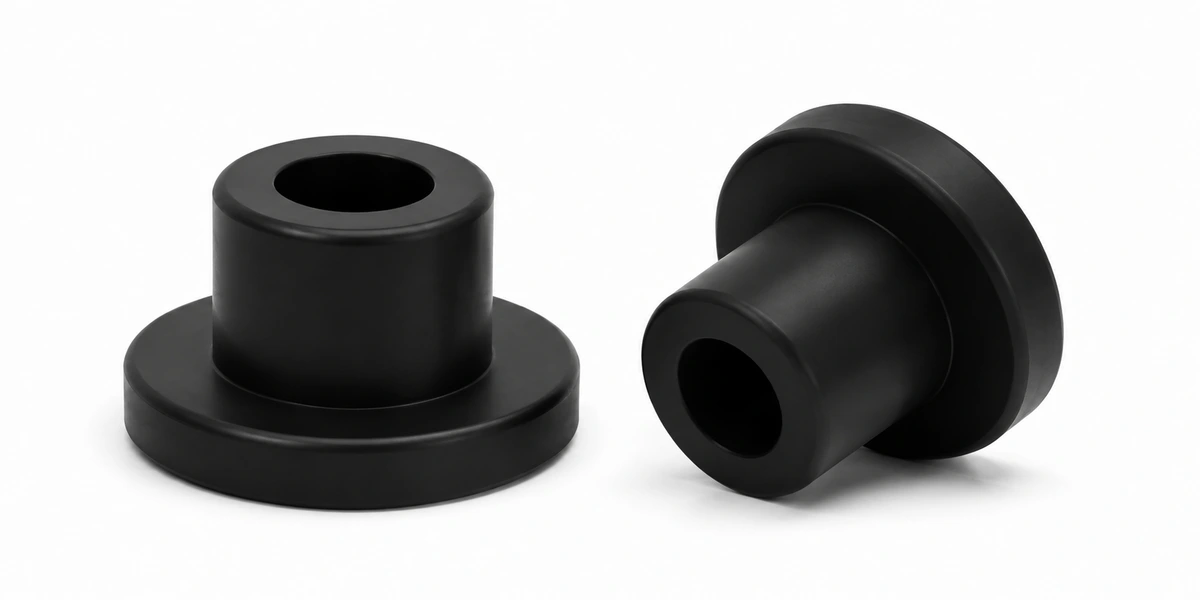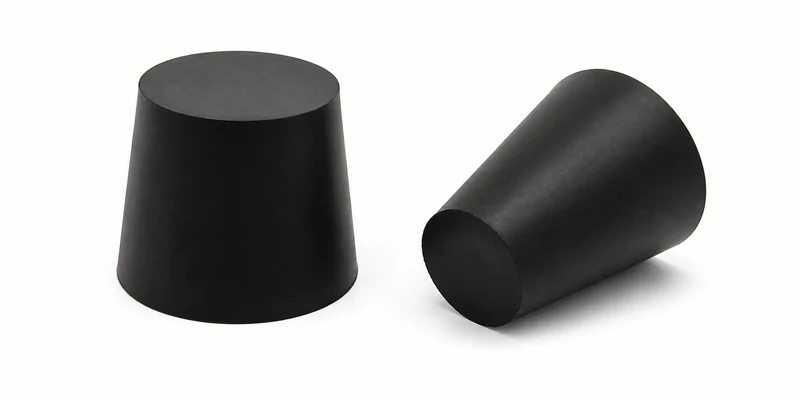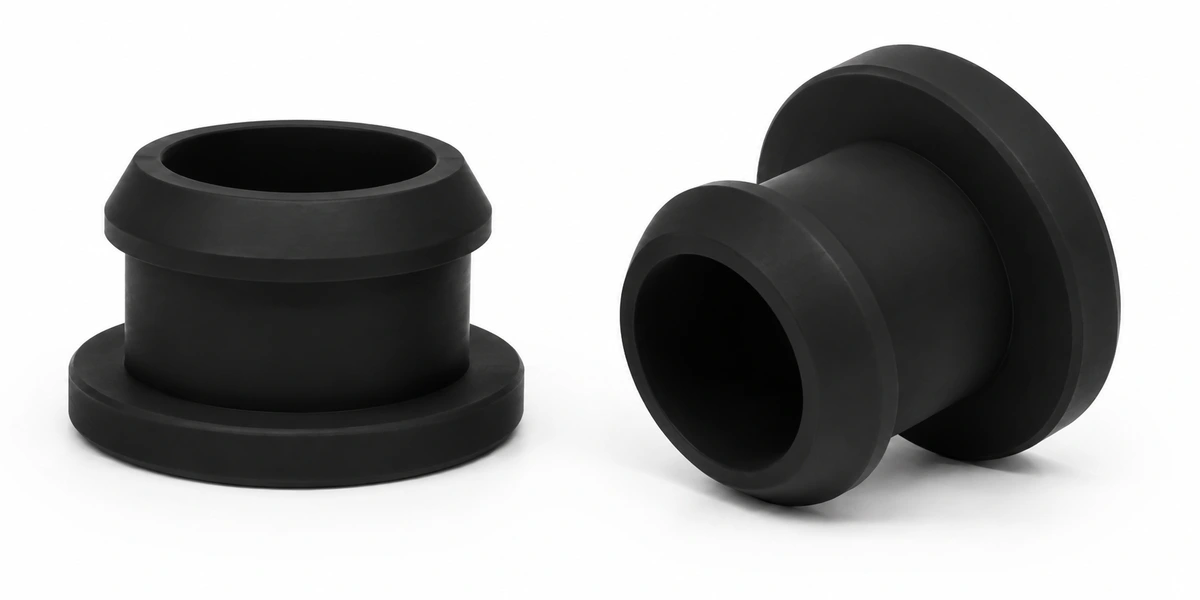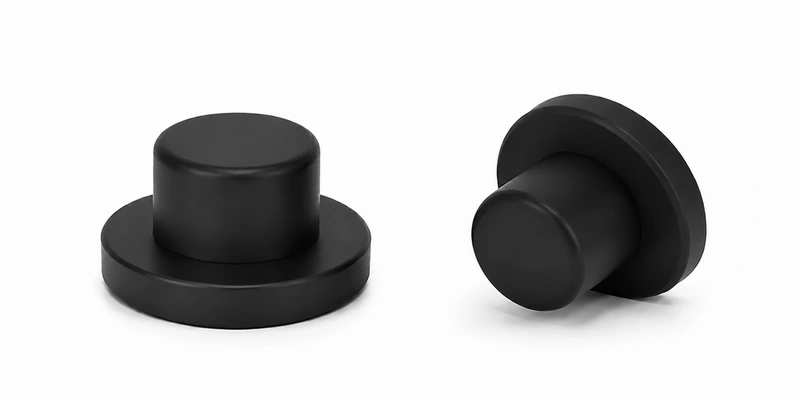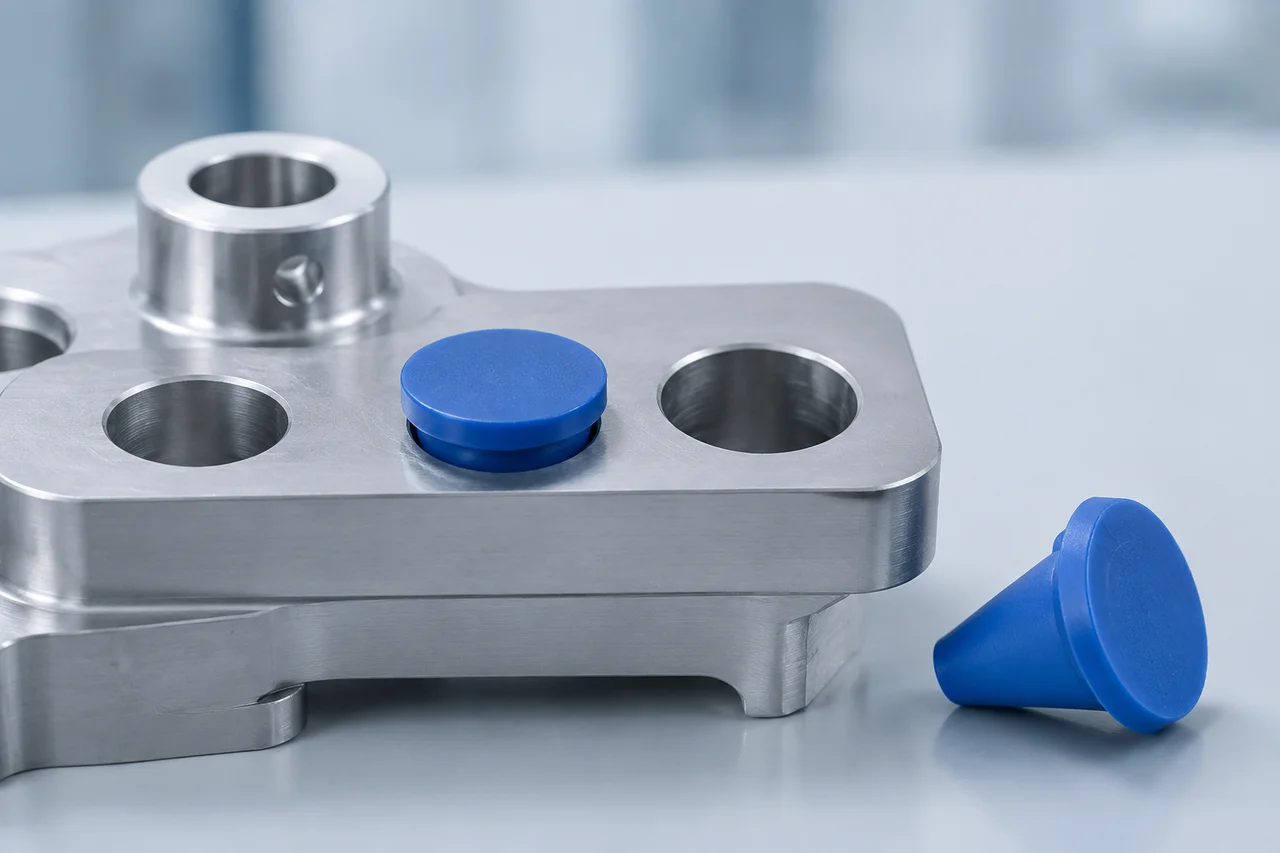
Rubber plugs are used for container closures, temporary port protection and masking during manufacturing. Define the function before installation. Dust protection needs stable coverage, liquid retention needs a suitable seal, and coating processes add temperature and chemical-exposure requirements.
For a general-purpose plug, use a simple installation sequence:
- Inspect the opening and plug. Remove residues and check for burrs, cracks or distortion.
- Align the plug with the opening and insert it steadily, avoiding a folded or unevenly loaded edge.
- Leave the handling allowance required by the design, or seat the component against its intended stop.
- Check retention, masking coverage or sealing as appropriate before actual service.
If the plug springs back, investigate the fit, taper, trapped air or liquid inside the opening. If it moves too easily, check for undersizing, contamination or permanent deformation from previous use.
Lubrication is not automatically helpful. A lubricant may reduce retention, contaminate the contents or interfere with subsequent coating. Use one only when the material and process allow it.
After removal, inspect the contact band for cuts, flattening and tackiness. Reuse depends on condition and demonstrated performance, not simply on whether the plug can still be inserted. A temporary shipping plug also needs separate validation before it can serve as a pressure-retaining operating seal.
← Back to all articles