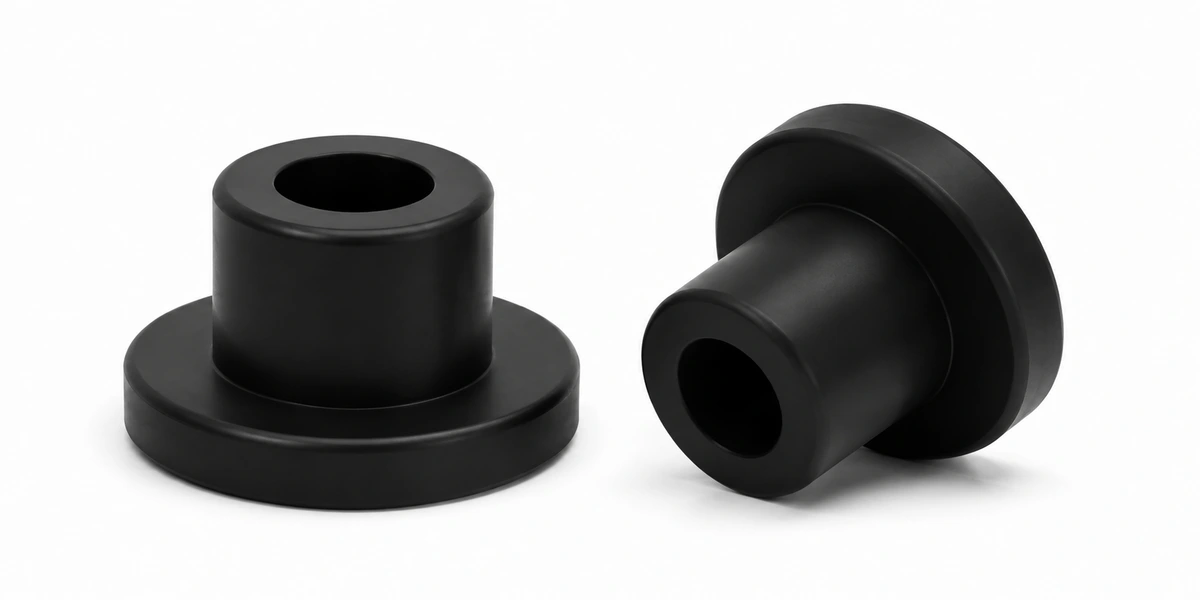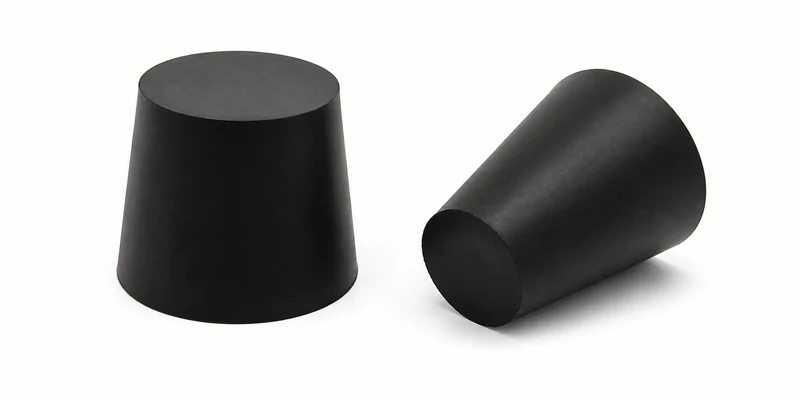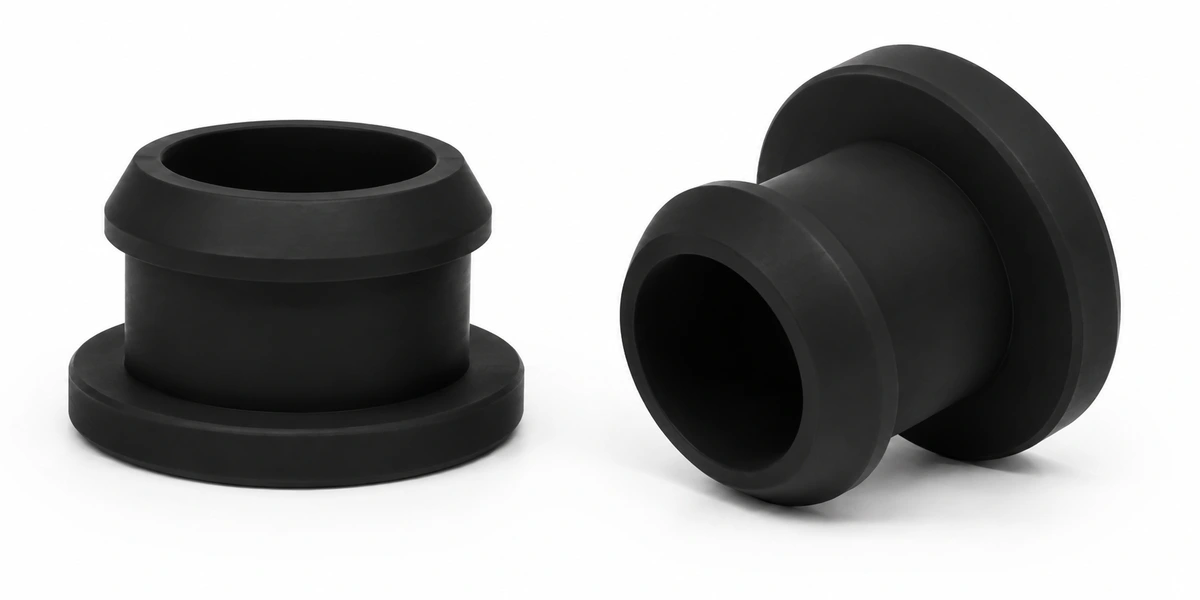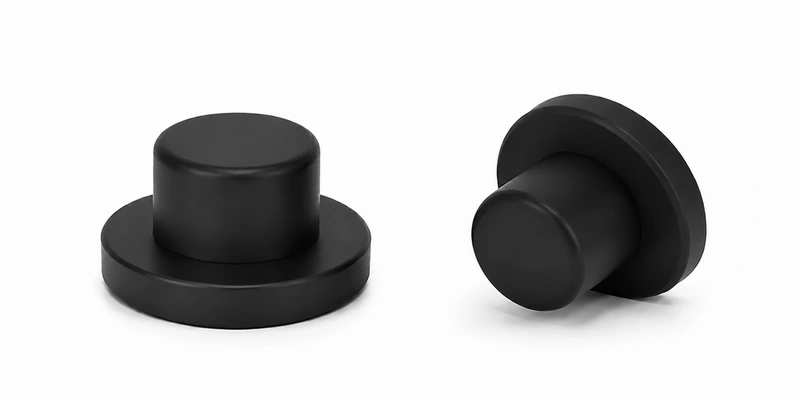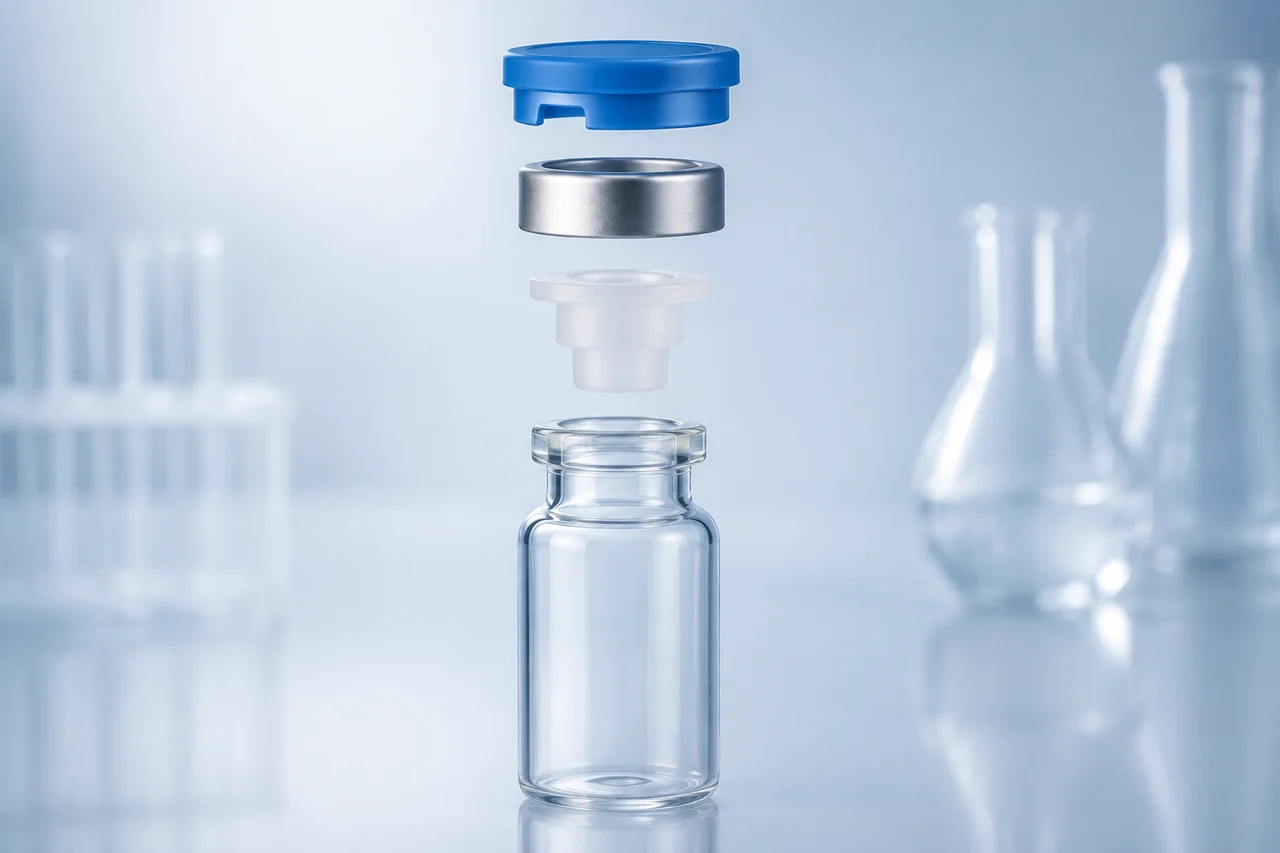
Visible rubber at the top of a vial does not necessarily mean the stopper is designed to be pulled out. Identify the closure construction before attempting removal.
Simple push-in closures. For an ordinary container confirmed to be unpressurized and free of hazardous residues, support the body and gently rotate the exposed stopper while pulling along its axis. Stop if light effort does not release it. Check for a retaining feature, adhesion or another mechanical restriction.
Crimped closures. An aluminum seal holds the stopper against the vial finish. Laboratory dismantling calls for a suitable decapping tool and the relevant procedure for the contents. Cutting or levering the ring can leave sharp edges and damage the glass neck. Plan sample transfer and contamination control before opening.
Sterile pharmaceutical vials. Removing a plastic flip-off cap usually leaves the rubber stopper as part of the closure. Access the product according to its labeling and the specified equipment instructions. Removing the protective cap should not be confused with removing the stopper; dismantling the closure changes the original sterile barrier.
Do not bite a stopper, pry against the glass with a knife or grip the neck and pull forcefully. A chipped vial does not become serviceable simply because its stopper has been removed. The closure design and contents determine whether opening is appropriate and how it should be done.
← Back to all articles