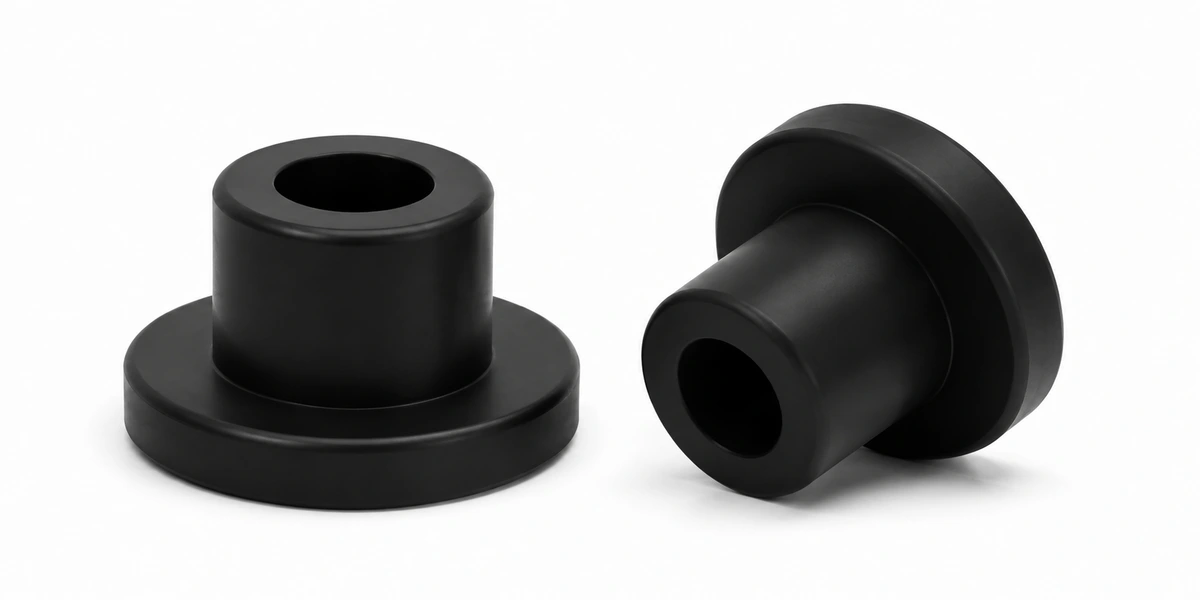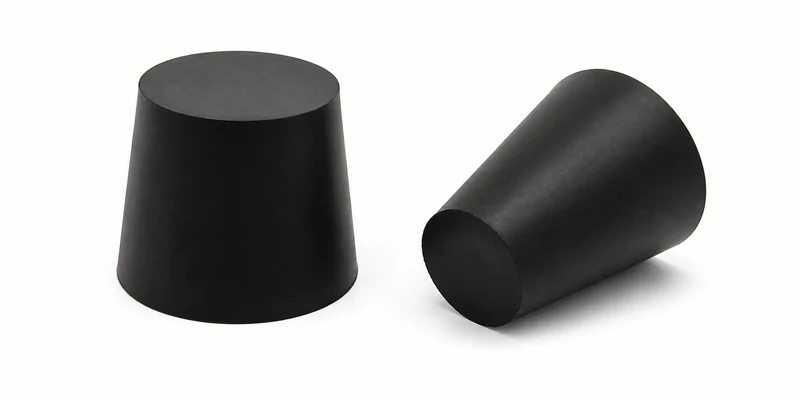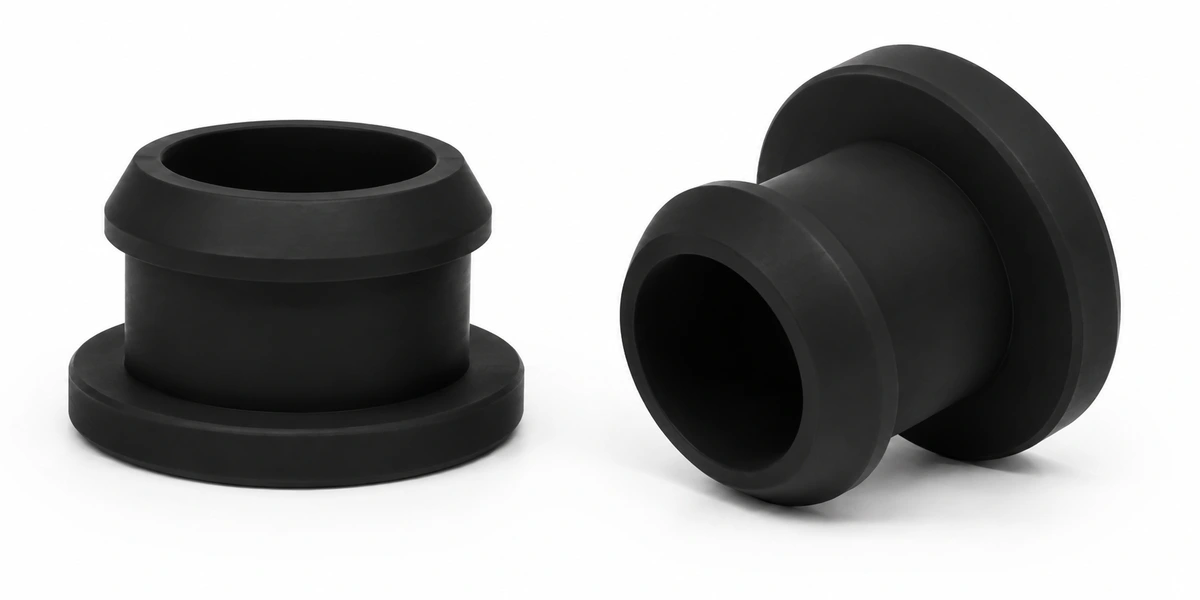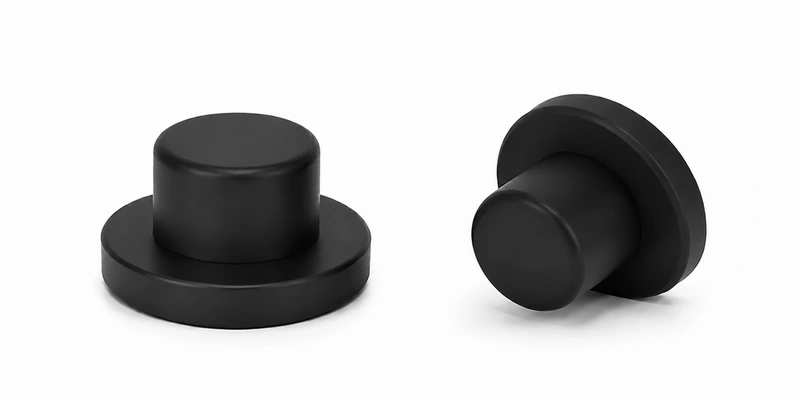
Start with the application
Write down what the plug must do: mask a hole, close a port, protect a thread or provide a sealing contact. Record the temperature cycle, contact media, installation method and expected reuse. Include the mating material and whether the part touches food, drinking water or a controlled process. These details give the supplier a useful material brief.
Identify a specific compound
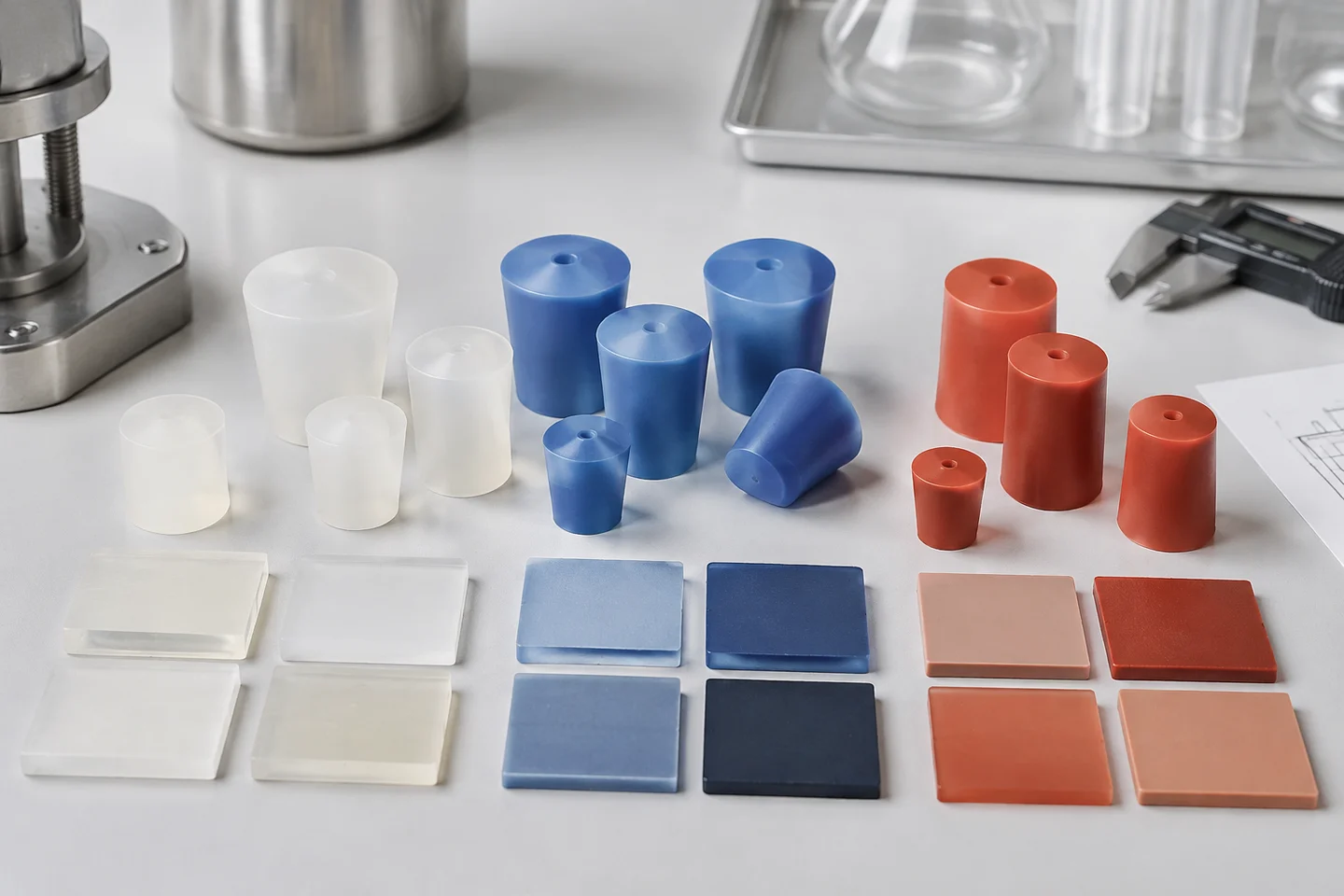
A family name such as VMQ silicone or FVMQ fluorosilicone is a starting point, not a finished specification. Ask engineering to identify the proposed compound, hardness and color, then request its available data sheet. Confirm which properties were measured and the conditions of those measurements. Do not treat every color or hardness as interchangeable without review.
Agree the documentation
List the declarations, test reports or traceability records your project needs before requesting production. For regulated contact applications, state the intended market, material contact and service conditions. Confirm that supplied documents identify the actual compound and intended use. A general description of silicone does not establish compliance for a finished part.
Approve the finished part
Evaluate samples in the real hole or port. Check installation, retention, removal and any sealing or masking result required by the process. Repeat the relevant checks after representative exposure and reuse. Record the approved drawing, compound and sample together so later changes can be reviewed against the same requirements.
← Back to all articles