Rubber stoppers can be made from several elastomer families. The finished compound also contains a cure system and may include fillers and other ingredients, so products sharing a polymer name can differ substantially.
Natural rubber is used in general-purpose elastic closures, subject to its compatibility limits. Butyl and halobutyl compounds are often considered when gas permeability is important. Pharmaceutical suitability additionally depends on the formulation, processing and qualification of the complete packaging system.
Silicone rubber is a common candidate where flexibility across a broad temperature range is useful. Heat resistance does not imply resistance to every solvent, nor does it establish the lowest gas permeability. EPDM is often considered for water and suitable steam-related applications, while petroleum-oil exposure generally calls for a different candidate. Nitrile is frequently evaluated for certain oil-contact applications, with the exact fluid and conditions still determining suitability.
Begin material selection with the medium, temperature and exposure duration. Extended contact may cause swelling, hardness change or migration that a brief visual check will miss.
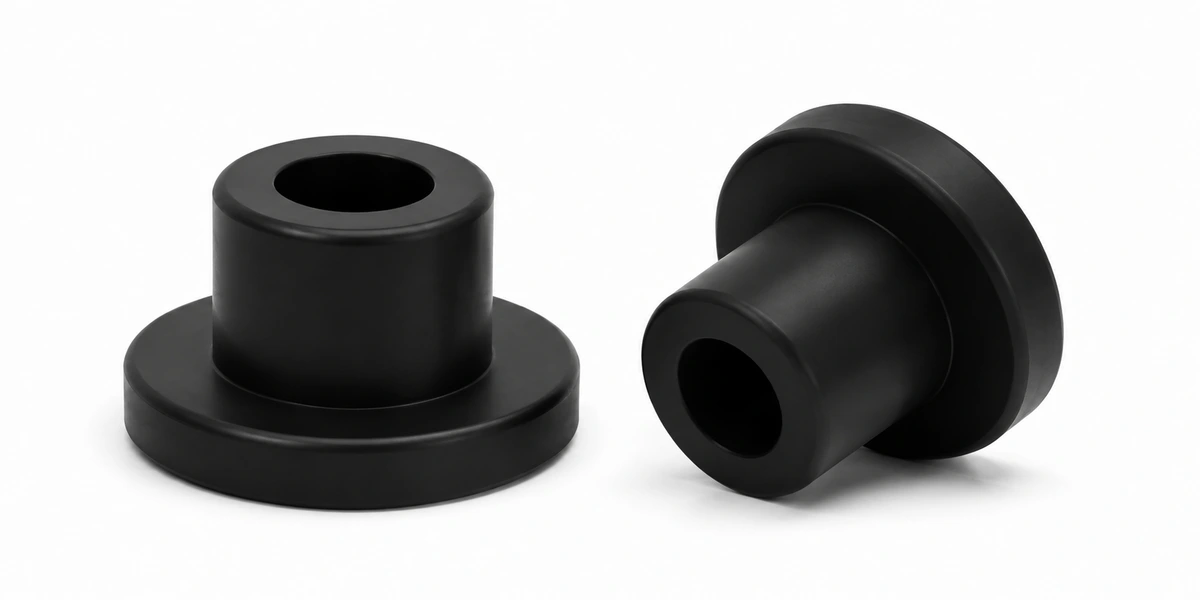
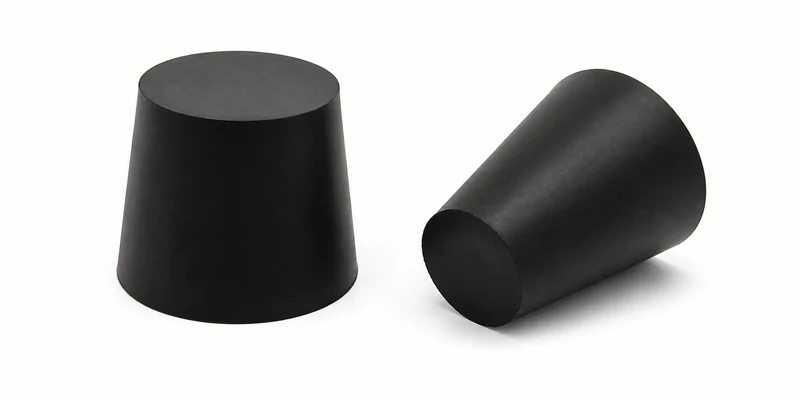
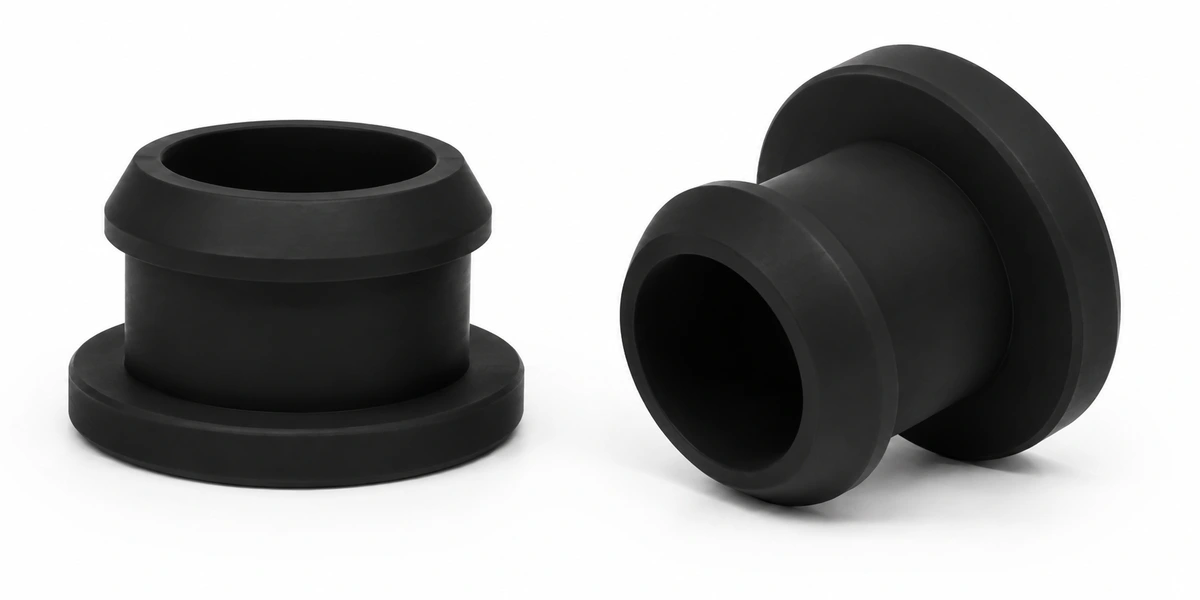
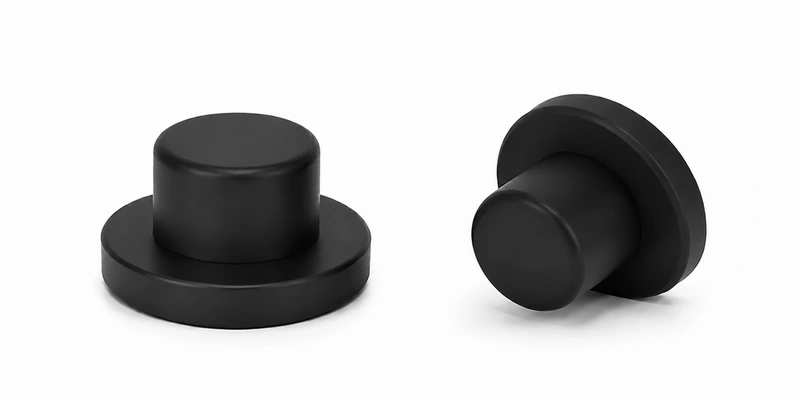
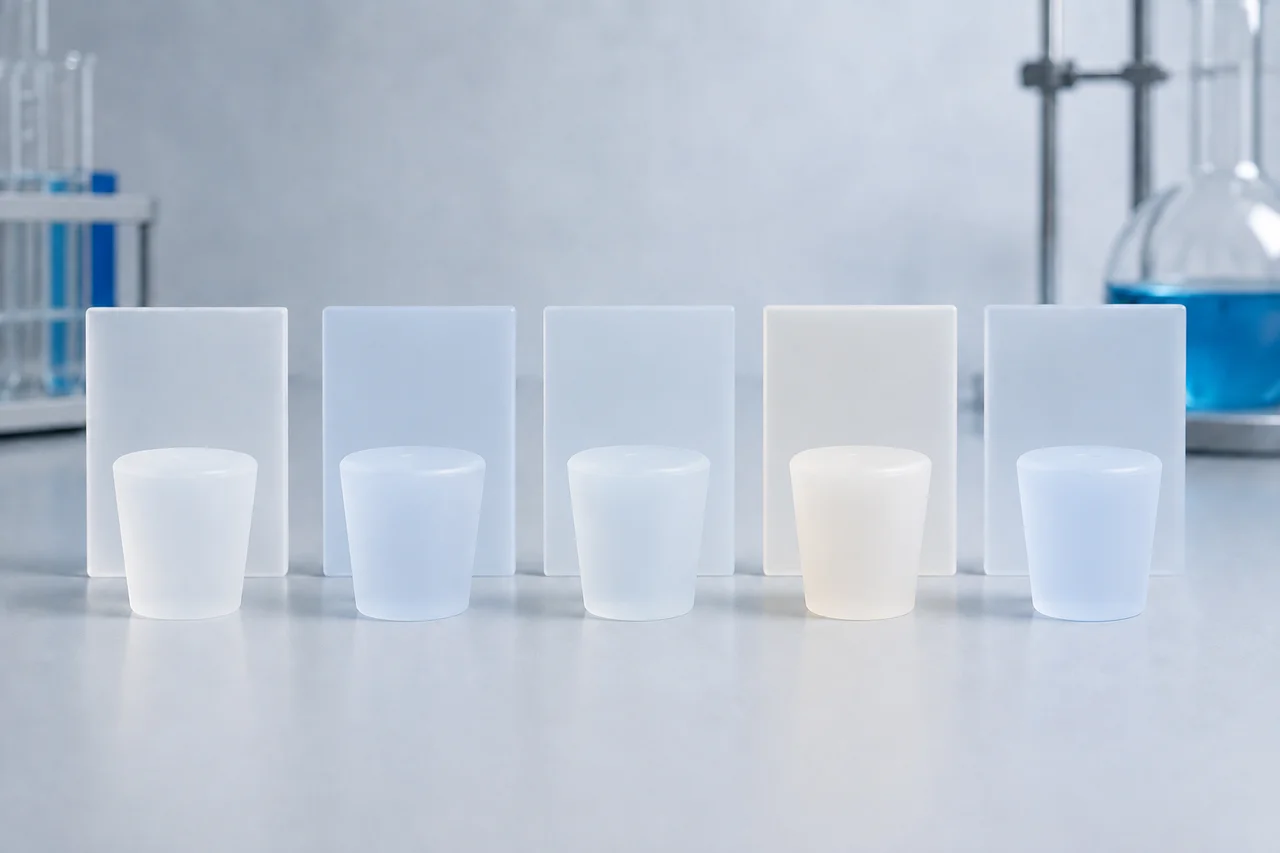
Some closures add a film or coating to modify the contact surface. Evaluate the substrate, surface layer and their integrity after processing together. The cover illustration shows silicone-textured components; color and appearance are not a material identification chart.
A polymer family is useful for shortlisting. Final approval should identify a specific compound or product grade and evidence of performance in the intended application.
← Back to all articles