Density is mass divided by volume: ρ = m/V. A finished stopper's density depends on its compound, including fillers and other ingredients, and on whether the structure contains pores or cavities.
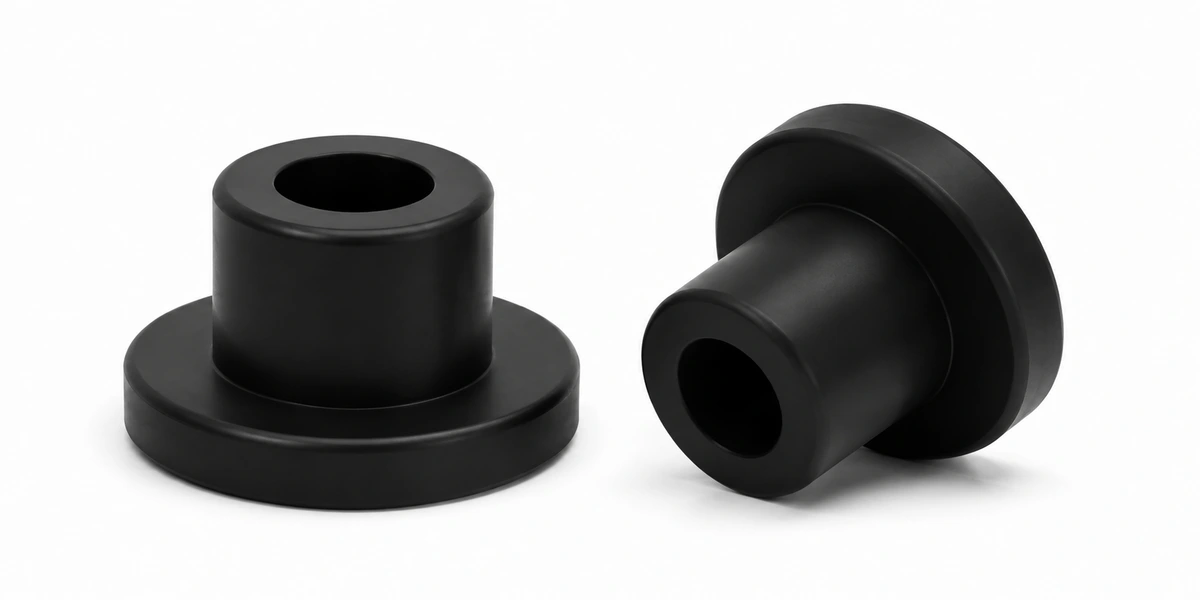
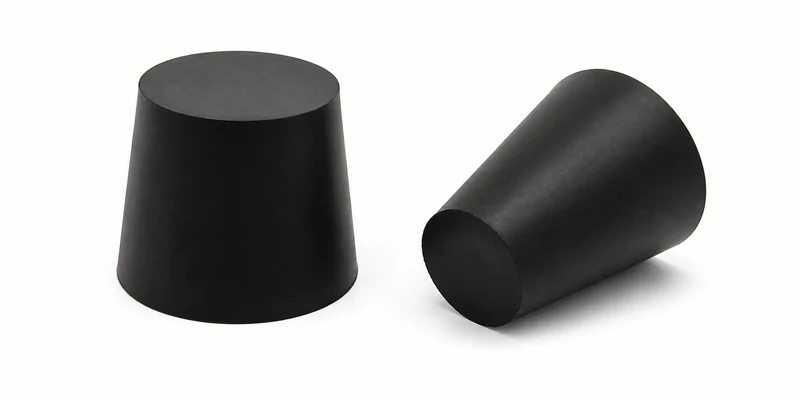
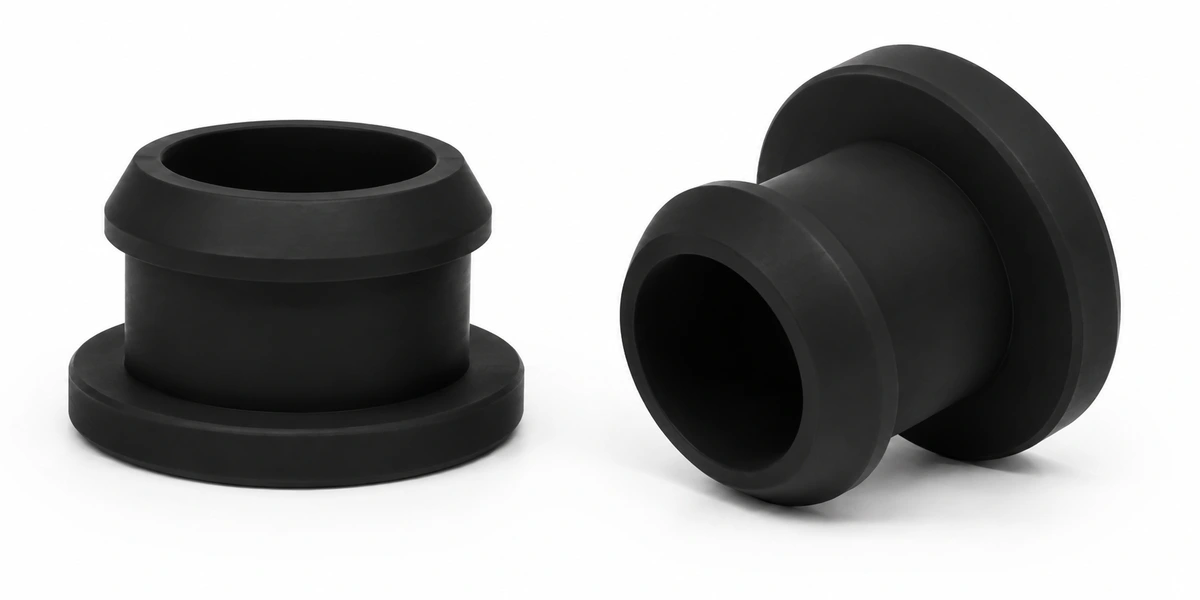
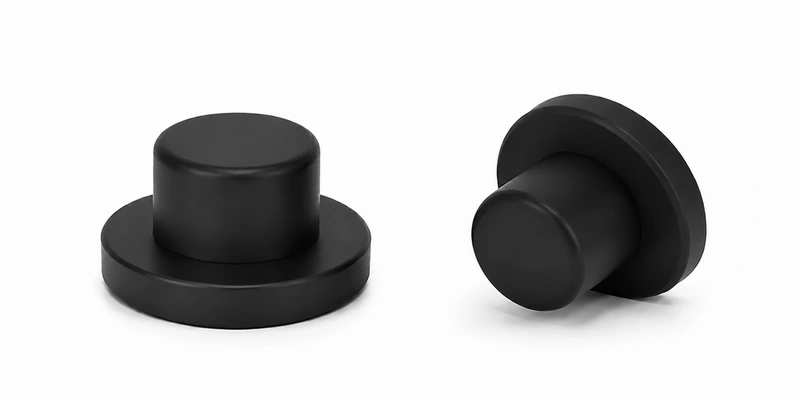
For a regular solid sample, dimensions can provide a volume estimate. However, soft material compresses under measuring tools, and tapers, grooves and rounded edges complicate the calculation.
Liquid displacement can suit some irregular samples. Select a liquid that will not cause swelling or absorption during measurement. Fully immerse the sample, remove attached bubbles and account for the displaced volume of any holder or sinker. Air trapped in narrow holes or cavities can distort the result.
For example, a sample with a mass of 12 grams and a measured material volume of 10 cubic centimeters has a density of 1.2 grams per cubic centimeter. This is a calculation example, not a universal value for rubber or silicone stoppers.
Be clear about the measurement definition. Compound density, apparent density including closed pores, and component mass divided by its external envelope volume are not interchangeable quantities.
For procurement or design calculations, request the density and test method for the specific compound. Density can support weight estimates and consistency checks, but it cannot independently establish purity, heat resistance or overall product quality.
← Back to all articles