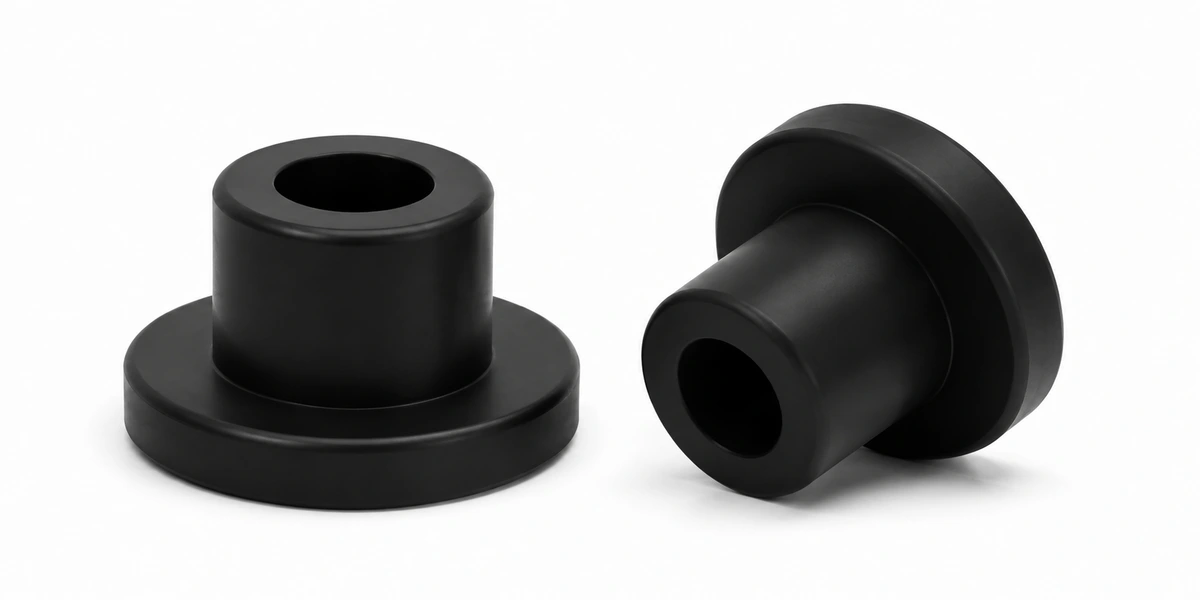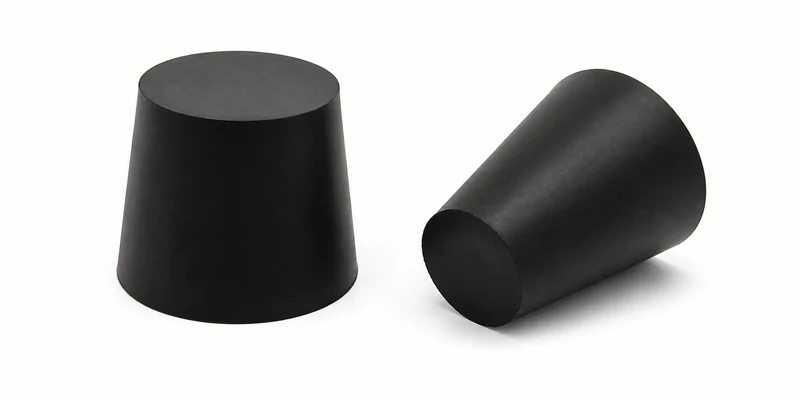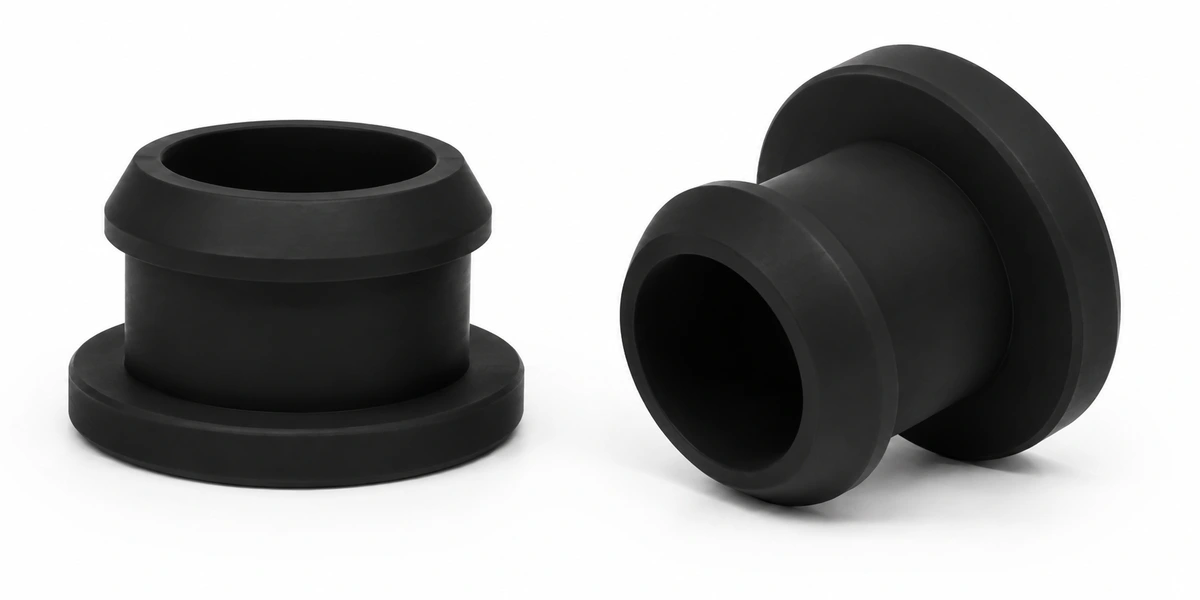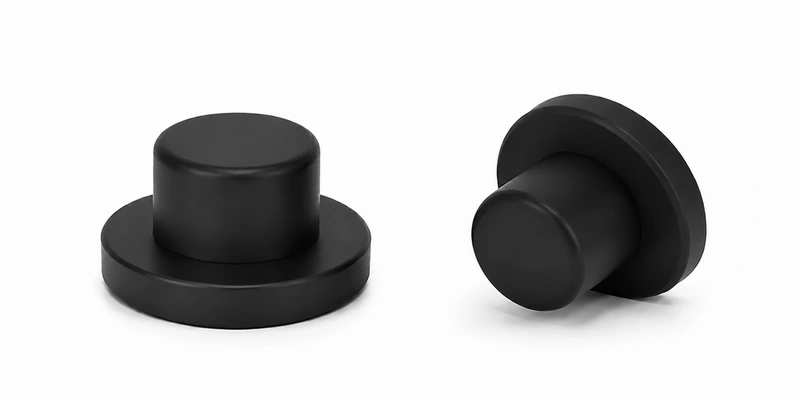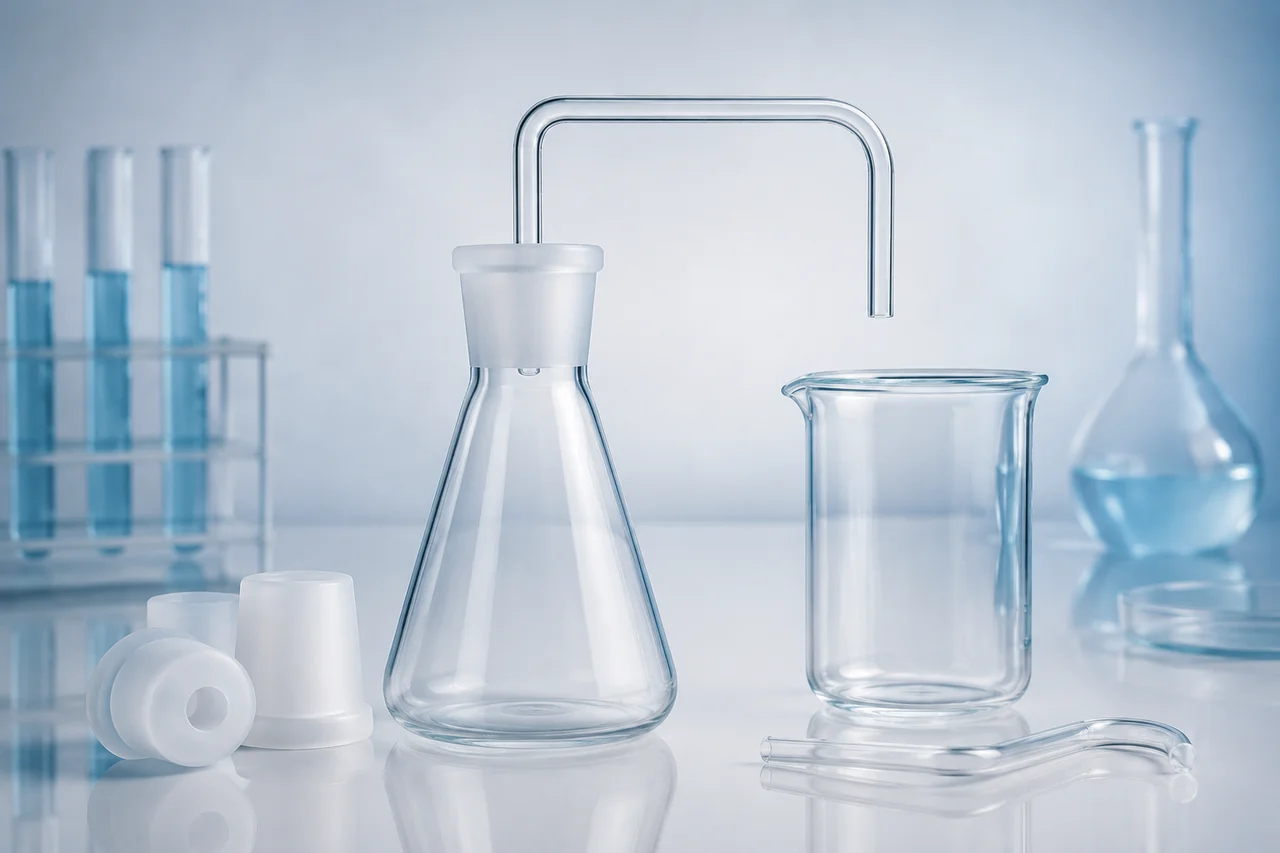
Consider a gas delivery assembly. A drilled stopper closes the flask neck while allowing a delivery tube to pass through it. Gas can then follow the intended route, provided both the neck-to-stopper and tube-to-hole interfaces fit correctly.
The same arrangement can help position a temperature probe. However, the stopper should not carry the unsupported weight of a long probe or a heavy tubing assembly. Separate support reduces tilting, loosening and stress on glass components.
Sample storage creates a different set of questions. A stopper may limit contamination and some evaporative loss, but it may also absorb sample constituents, release compounds or swell in the contact liquid. Trace analysis can be especially sensitive to background contamination. A general laboratory bung is not automatically suitable for every analytical sample.
Pressure is another important boundary. Equipment that generates gas or is heated needs the flow and pressure-control provisions specified by the experimental procedure. A rubber stopper is not a safety valve, and an ordinary stoppered flask is not a pressure vessel.
If an assembly begins leaking, pause the relevant operation and investigate blocked tubing, damaged holes, loose connections or deteriorated material. Pushing the stopper in harder can hide the underlying fault. Its function should always be considered alongside the flow path and mechanical support of the complete apparatus.
← Back to all articles