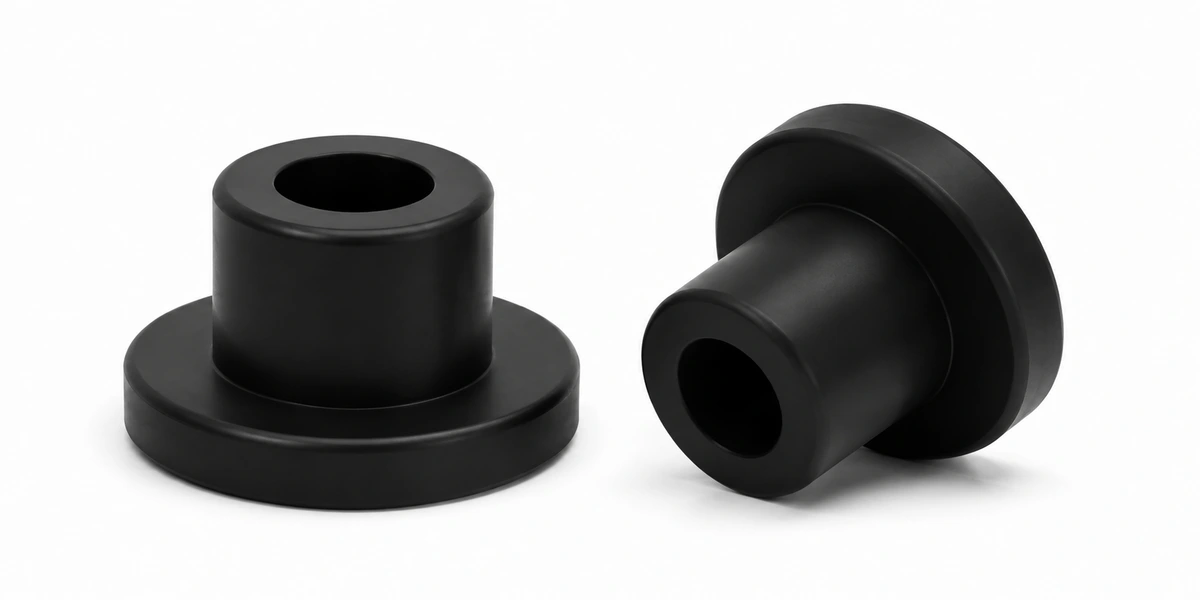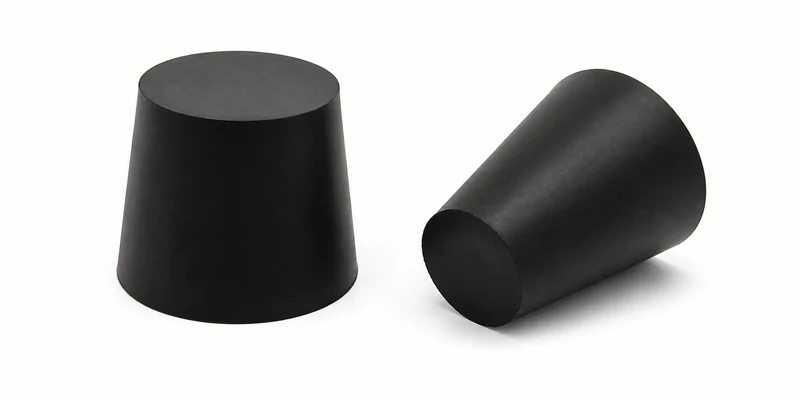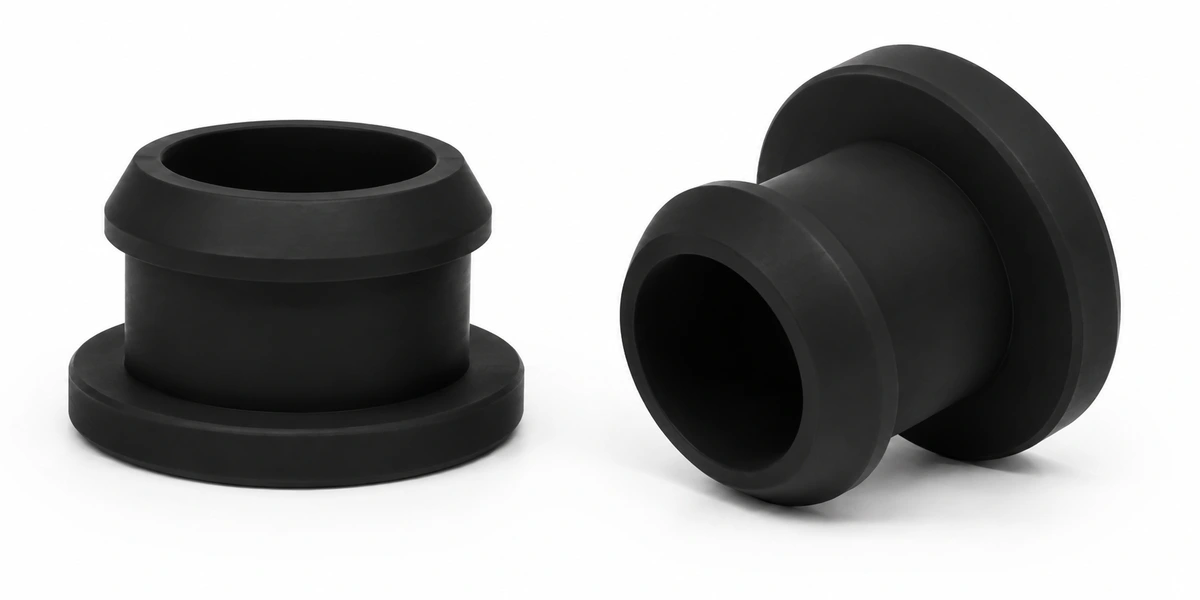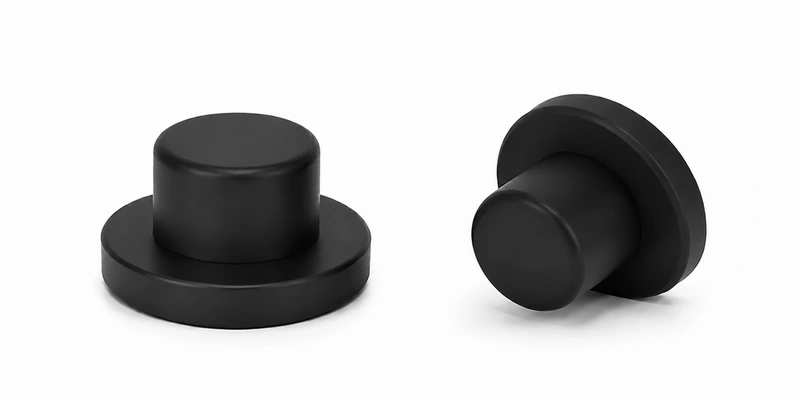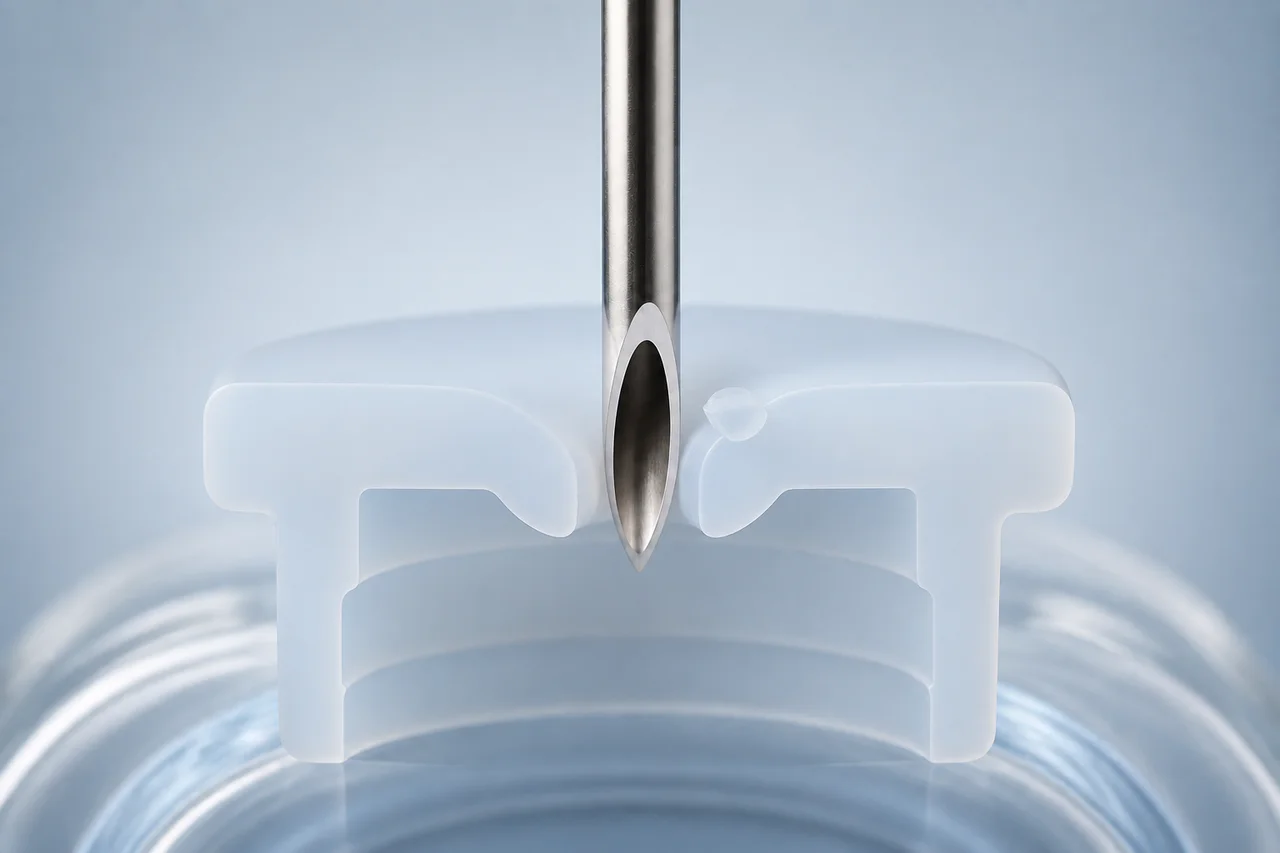
Coring occurs when a needle or similar piercing device cuts a piece of elastomer from a stopper. Other piercing damage can produce irregular fragments. These particles originate during penetration, so cleaning the stopper beforehand does not eliminate the mechanism.
An investigation should consider four interacting elements. The compound and piercing-area geometry affect how the stopper responds to cutting. Needle design, size and condition influence penetration. Puncture location and repeated access affect local damage. The compression imposed by the closure assembly may also change the result.
Start with a stopper and piercing device intended to work together. Follow the relevant instructions for the access area and technique. There is no universal insertion angle that can be assumed to minimize coring across every needle and closure combination.
During development, change one variable at a time where practical. Compare stopper batches, needle configurations, processing conditions and numbers of punctures while holding the remaining conditions consistent. Record fragmentation together with penetration force and sealing performance after access. Reducing one failure mode should not introduce another.
Suspected stopper fragments in an injectable product require handling under the applicable quality or clinical procedure. Removing a visible particle is not sufficient evidence that the product is suitable for use. Effective control comes from validating the assembled system, rather than assuming that a softer stopper alone will solve the problem.
← Back to all articles