Define the result you need
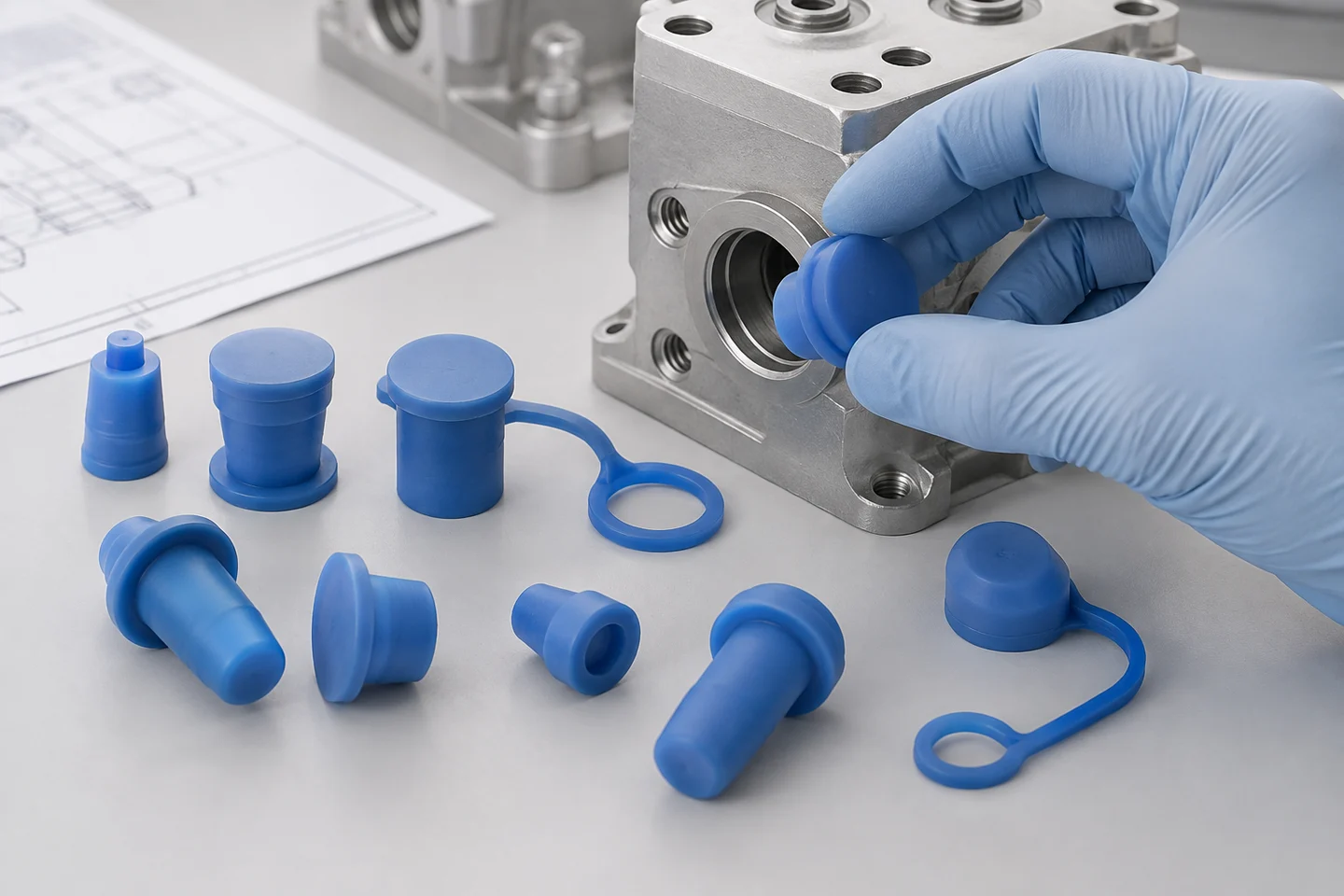
Start with the function: protect a hole, mask a coating area, close a port or provide a sealing contact. Record the dimensions of the mating part, its tolerance range and the available installation space. State any pressure, cleanliness or documentation requirement explicitly so the selection is based on the complete job.
Shortlist shape and material together
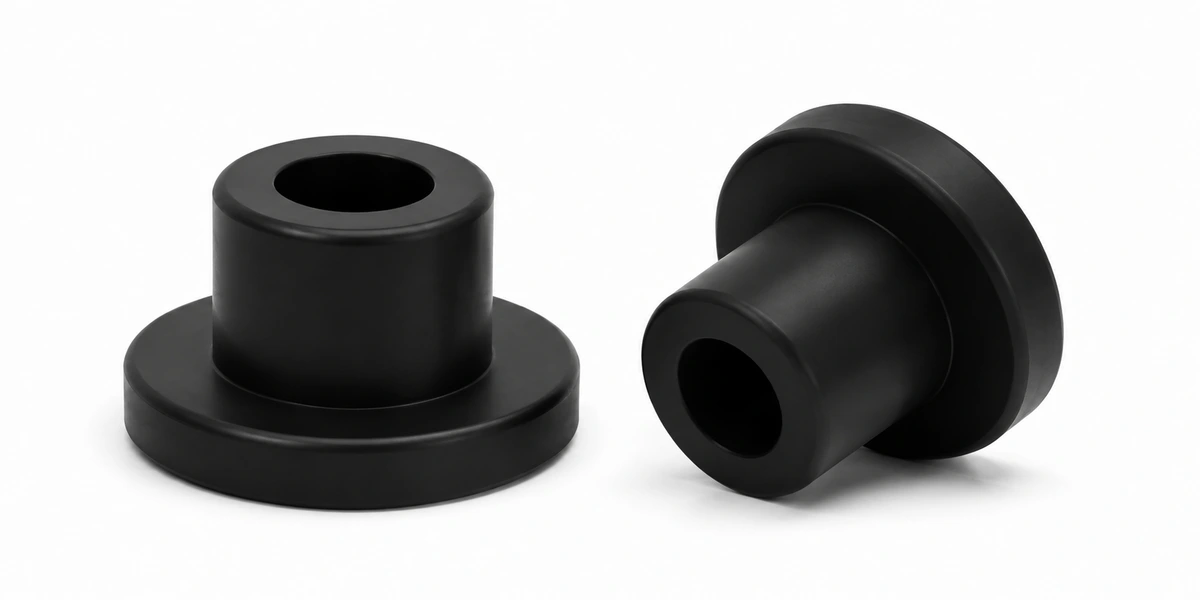
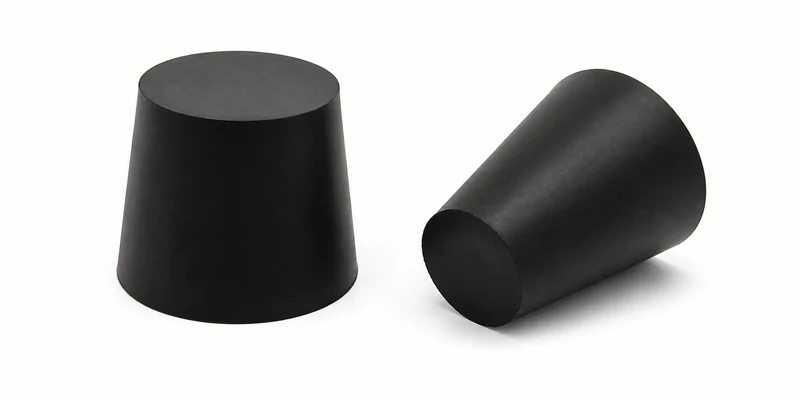
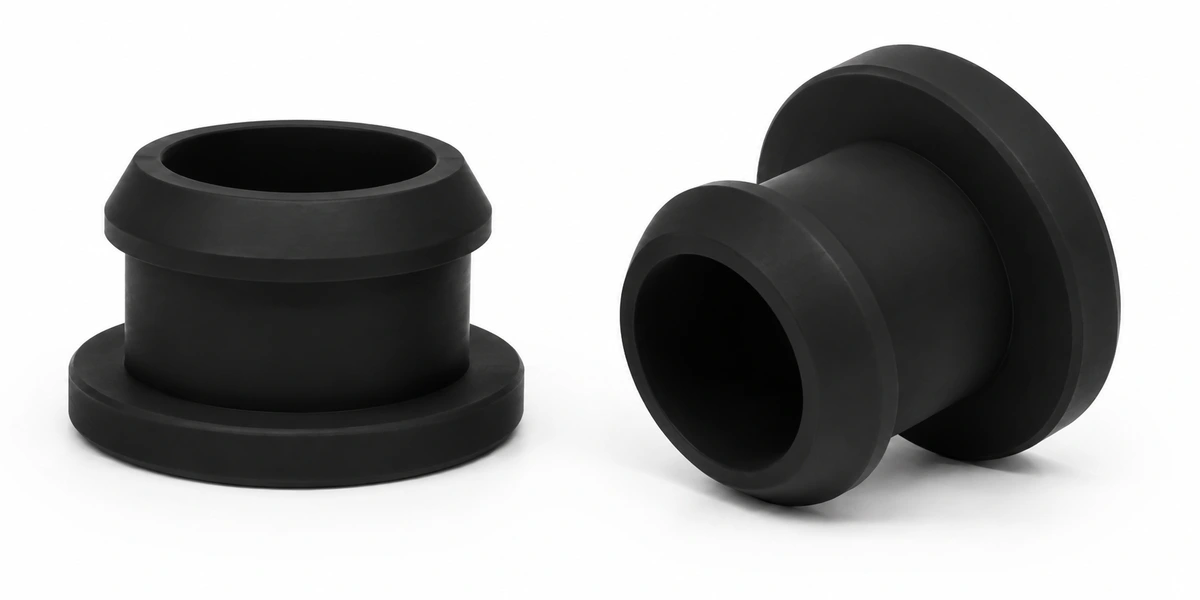
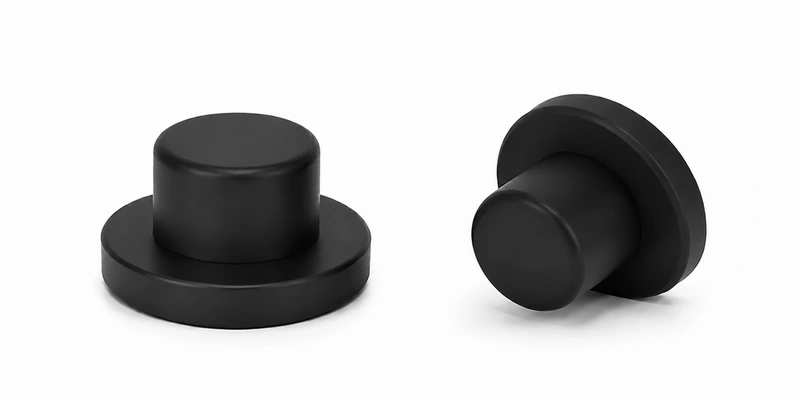
Compare tapered, cylindrical, stepped, flanged and tethered designs against the contact area and handling method. Share the temperature cycle, chemicals and expected reuse with engineering before confirming a compound. Select candidate sizes using the published fit guidance for that design, and ask for a custom review if the standard range does not cover the assembly.
Put the choice through the real process
Evaluate samples in representative production parts, including the hole-tolerance limits. Check insertion, seating, retention and removal, then assess the required masking or sealing result after the actual process. Record the conditions and the reason each candidate passes or fails. Appearance alone is not a complete approval method.
Make repeat orders unambiguous
Confirm the part number, drawing revision, compound, hardness, color and packaging requirements. Retain the approved sample and the relevant test or inspection results. If the mating part or operating process changes, review the plug specification again before continuing with the same order.
← Back to all articles